
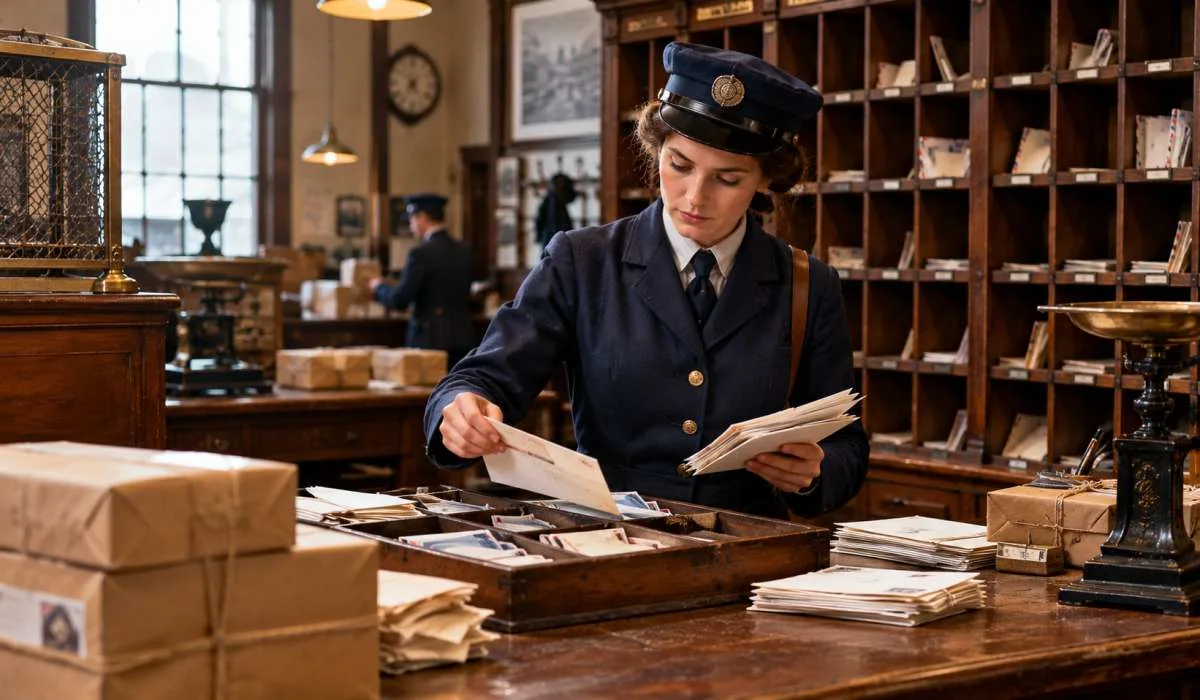
The post office offered so much more than just a place to post a letter. Yes, there was even a time when you could post your kid, send an entire building's worth of bricks via the mail, or have someone else do your laundry for you. Well, those were the days.
Some services proved very useful, while others are hard to believe ever even existed. Read on to discover 20 things you won't believe you could do at the post office.
Parents Mailed Their Children Through the Post Office
In 1913, two years before he invented parcel post, then-17-year-old Jesse Beagle of rural Ohio mailed his baby son about a mile to grandma's house with prepaid postage and a blanket of insurance.
In 1914, 5-year-old May Pierstorff of Idaho rode in a mailbag on a 73-mile train ride with a cousin who was also a mail clerk, with stamps fastened to her coat. Neither child ever went in a box or came down a mail chute (thank goodness), and the postmaster general promptly shut down the practice.
Read More: 20 Countries Where People Are the Most Active
A Utah Bank Had Its Walls Shipped by Mail, Brick by Brick
In 1916, William H. Coltharp, a director of the Bank of Vernal in eastern Utah, sought to face brick his bank front. Wagon freight over the mountains would have cost four times the face value of the bricks. So he sent roughly 15,000 face bricks by mail, which completely swamped small-town post offices.
An apocryphal story extends the legend by another factor of five, to 80,000 bricks-enough for an entire building. However, only the face that was dispatched by parcel post. Very soon, parcel post began to limit mailers to 200 pounds per sender each day.
Post Offices Signed Up Millions of Americans for Social Security
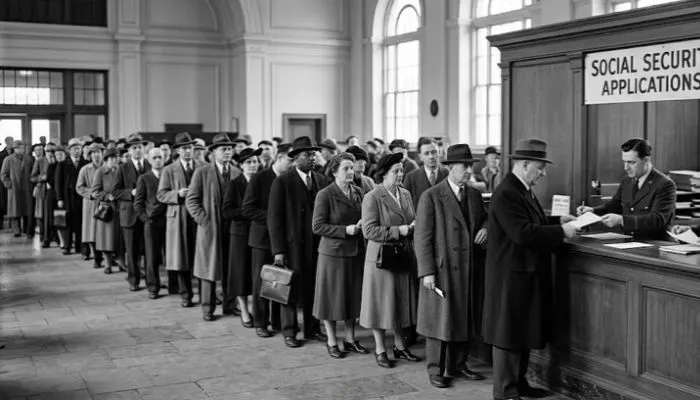
When President Franklin D. Roosevelt signed the Social Security Act into law in 1935, the new Social Security Board had no place to take applications from workers no office buildings for them to visit before paying payroll taxes.
So the Board called upon the post office to help hand out the registration applications, with thousands of post offices nationwide some even paid to set up typing centers for the sole purpose of issuing the cards. In the end, tens of millions of people applied within a year and the story about a guy who got the first card was myth.
Non-Citizens Lined Up at the Post Office to Be Fingerprinted
When war broke out in Europe in 1939, Congress enacted the Alien Registration Act, which required all non-citizens living in the U.S. to register and be fingerprinted by the government. In a departure from the usual police stations, the government chose post offices as a neutral location to do the registrations, training postal workers to be able to take fingerprints and complete forms for any person age 14 or older.
And in a few months, some 5 million people had done so. This was not a part of the Japanese American wartime internment but a once-off, wartime program of the U.S. government.
Britain's Post Office Collected the Nation's Dog Tax
The General Post Office is why every year dog owners lined up outside their local post office to pay the annual tax and get a paper certificate. Originally, they set the tax at 7 shillings and 6 pence, and it stayed at that rate for well over 100 years, despite inflation.
Strangely, the Post Office never issued a dog tag; owners had to find their own. The scheme officials abolished in 1987 when it no longer generated enough income to justify the cost of administration.
Post Office Windows Doubled as America's Neighborhood Bank
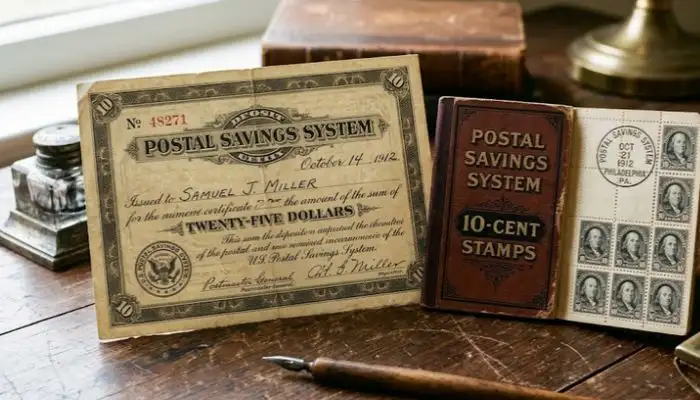
Congress established the Postal Savings System in 1910, with then-President William Howard Taft signing the bill. The new deposit scheme provided a trusted form of savings for the working class, people living in isolated rural areas, and immigrants who were wary of or couldn't use banks. Customers could bring money to a post office, where clerks gave them savings certificates or savings cards for 10-cent stamps that guaranteed a fixed amount of interest to the customer.
As banks began to close during the Great Depression, consumption of Postal Savings soared, peaking at billions of dollars in savings accounts in the millions.
You May Also Read: How to Romanticize Your Daily Life: Simple Everyday Joys
College Kids Mailed Their Dirty Laundry Home for Mom to Wash
Our dirty laundry was managed to be sent home by us in the days of Parcel Post, from the beginning of it in 1913 right up to, oh, the late 1960s. Soiled underthings were sent by college students, summer campers, army recruits-name it, all to Mom. Boxes with an address card that could be flipped were used by laundries.
Dirty laundry was packed by the young 'un, the parcel rate was paid, and it was sent home to Mom, who did the laundry and turned the address card over, which could then be mailed back. If a note was wanted to be included, a stamp had to be bought for it.
FAQs
1. What unusual things could people once do at the post office?
People could use post offices for services beyond mail delivery, including savings accounts, government registration, tax payments, and shipping unusual items.
2. Could parents really mail their children through the post office?
Yes, there were documented cases in the United States in the early 1900s when children travelled through the postal system under unusual circumstances. The practice was soon stopped.
3. Could people send bricks through the post office?
Yes, in 1916, thousands of bricks were sent by parcel post to help build a bank in Utah. The incident showed the need for limits on parcel shipments.
4. Did post offices once offer banking services?
Yes, the United States Postal Savings System allowed customers to deposit money and earn interest through post offices beginning in 1911.
5. Why did post offices offer so many different services in the past?
Post offices had a wide network of local branches, making them convenient places for people to access mail delivery, savings services, and certain government programmes.