
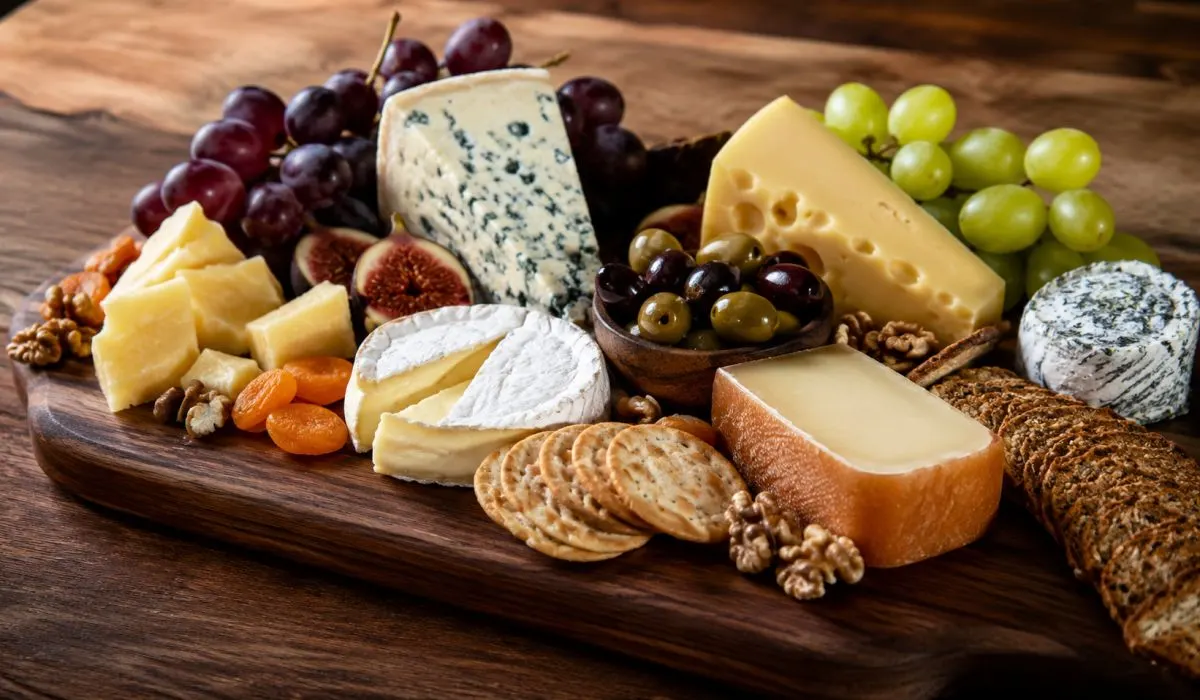
Cheeses of the world offer an incredible journey of flavors, textures, and traditions from different cultures. Each region has its own distinctive creations, ranging from the creamy rich French cheeses to the mild and comforting American and Mexican cheeses.
From soft to hard, blue to aged, and fresh to feta, these world-famous cheeses are a testament to the artisanal skills and history of one of humanity's most cherished foods. Explore the perfect choices of cheese such as Leipäjuusto from Finland, Comté from France, Ricotta from Italy and more.
The ultimate cheese
Whether it's a mound of gooey mozzarella melted onto a pizza, a toastie stuffed with oozing Cheddar, or a grazing board piled with lots of tasty varieties, cheese is indulgent and endlessly versatile which is probably why it’s one of the world’s most popular ingredients.
Some are hard, some are soft, some are blue, but they're all downright delicious, in our opinion. Here, we’ve ranked our favourites from across the globe, counting down to the greatest of all.
Read More: Essential items for your apocalypse store cupboard
Leipäjuusto, Finland

This delicious variety hails from Finland and consists of cow beestings, the first milk that the mammal produces after giving birth. Leipäjuusto is very mild, and as a result, chefs usually grill, bake, or flambé it so that a golden crust forms and a distinctive, smoky flavour develops.
People sometimes call it bread cheese because of its disk-shape, or Finnish squeaky cheese due to the sound it makes when you bite into it. People traditionally serve Leipäjuusto as a side dish with coffee, with some small pieces added to the drink itself.
Monterey Jack, USA
An American cheese that originated in California, Monterey Jack is a white, semi-hard cheese made from cows' milk. It's mild and slightly sweet and is commonly used as a melting cheese in cooking. You'll often find it in burritos, burgers and grilled cheese sandwiches.
A few spin-offs from the original exist, such as dry Jack, which ages for four months and becomes a little like Parmesan, and pepper Jack, to which producers add chillies, peppers and herbs.
Oaxaca, Mexico
Originating from the Mexican city of the same name, Oaxaca cheese offers a low-fat, semi-soft style. Chefs and home cooks find it similar to mozzarella, but they note that it is slightly firmer and boasts a buttery, subtly salty flavor.
Dairy farmers continue to produce Oaxaca largely in Mexico, though you can also find some artisans making it across the US. You can pair this ball-shaped cheese with a variety of fruits, or you can shred and melt it onto delicious pizzas, nachos, or quesadillas.
Ricotta, Italy
The great thing about ricotta is that it crafts from the milk whey left behind after the production of other cheeses. This means it can be made with all types of milk and comes in a variety of textures and flavours. Ricotta can be fresh and soft or aged and semi-soft, and it uses in everything from cheesecakes to salads.
One variety worth looking out for is ricotta di bufala Campana, which uses whey left over from buffalo mozzarella production.
Cashel Blue, Ireland
Louis and Jane Grubb created Cashel Blue, a multi-award-winning blue cows' milk cheese, in County Tipperary, Ireland. When young, it’s firm, creamy and tangy, with typical blue cheese notes. As it ages (up to six months), it becomes creamier and richer.
It’s full of character, but not too strong, and it’s great to cook with. In the US, people know it as Kerrygold Cashel Blue. Try it with hot roasted figs for a taste sensation.
Ossau-Iraty, France
Made in the French Basque Country, Ossau-Iraty is a semi-hard cheese made from sheep's milk. When young, this delicious cheese is smooth, creamy, nutty and grassy, with a floral hint. As it ages, it develops naturally occurring salt crystals and becomes crunchier and more complex.
It has been a protected cheese since 1980 and is generally best for eating, not cooking. Ossau-Iraty works best paired with ripe figs or grapes.
Comté, France
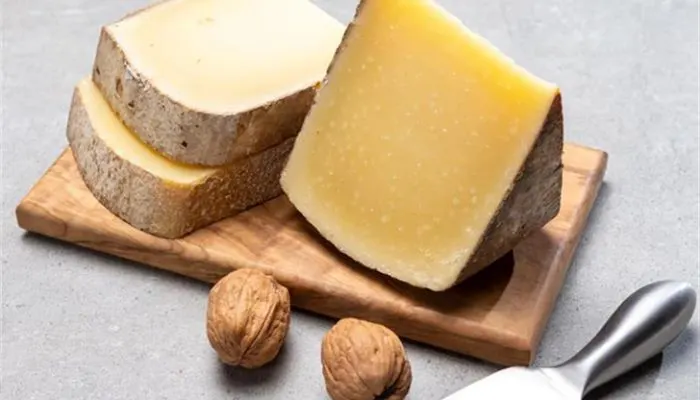
Comté is a protected cheese made in the Franche-Comté region of eastern France. It's a nutty, fruity hard cheese that can only be made to specific criteria. Producers have to age it for a minimum of four months, and chefs often use this style of Comté in cooking in a similar way to Gruyère or Cheddar. If producers age the cheese as long as 24 months, the flavours become more complex, and this is when Comté deserves a place on your cheeseboard.
Vacherin Mont d'Or, France/Switzerland
Cheesemakers produce Vacherin Mont d'Or high up on the Swiss French border, and connoisseurs know it for having an extraordinarily rich and creamy flavour. They only make it in the winter months, using milk from traditional breeds of cows, and they wrap it in spruce bark, a plentiful local wood.
Producers protect the cheese and normally sell it at four weeks' maturity. Serve it simply with a spoon – it's that creamy. Or, you can bake it in the oven and dip bread or potatoes into it, fondue style.
You May Also Read: What Food Is Good for Acidity Relief? Top Picks and Worst Foods
Havarti, Denmark
Dotted with holes throughout, this Danish soft cheese makers use cows’ milk to create it. It’s traditionally aged for around three months and has a smooth and buttery, sweet yet acidic flavour. Cheesemakers can age Havarti for longer, though its taste will be stronger and saltier. Enjoy it as part of a cheeseboard, grill it in a toastie or melt it into a creamy pasta sauce.
FAQs
1. What is the best cheese in the world?
Ultimately, the best cheeses in the world are subject to individual taste but some popular varieties are Comté, Vacherin Mont d'Or, Ossau-Iraty, Ricotta, Cheddar and Mozzarella for their distinctive flavour and texture.
2. Which country has the most famous cheeses?
Among the countries best known for their cheeses are France, Italy and Switzerland, where hundreds of different varieties are made with distinctive regional varieties.
3. How is the most versatile cheese for cooking?
Tasty cheeses such as Mozzarella, Cheddar, Monterey Jack, Ricotta and Oaxaca are great for pizza and pasta, sandwiches and baked goods.
4. What is the difference between fresh cheeses and aged cheeses?
Fresh cheeses generally have a softer, milder, creamier taste and flavor profile, whereas aged cheeses tend to be firmer, more flavorful, and aromatic.
5. Which cheese is considered a luxury cheese?
Luxury cheeses are typically artisan cheeses with a long aging period, such as Vacherin Mont d'Or and Comté cheeses.