
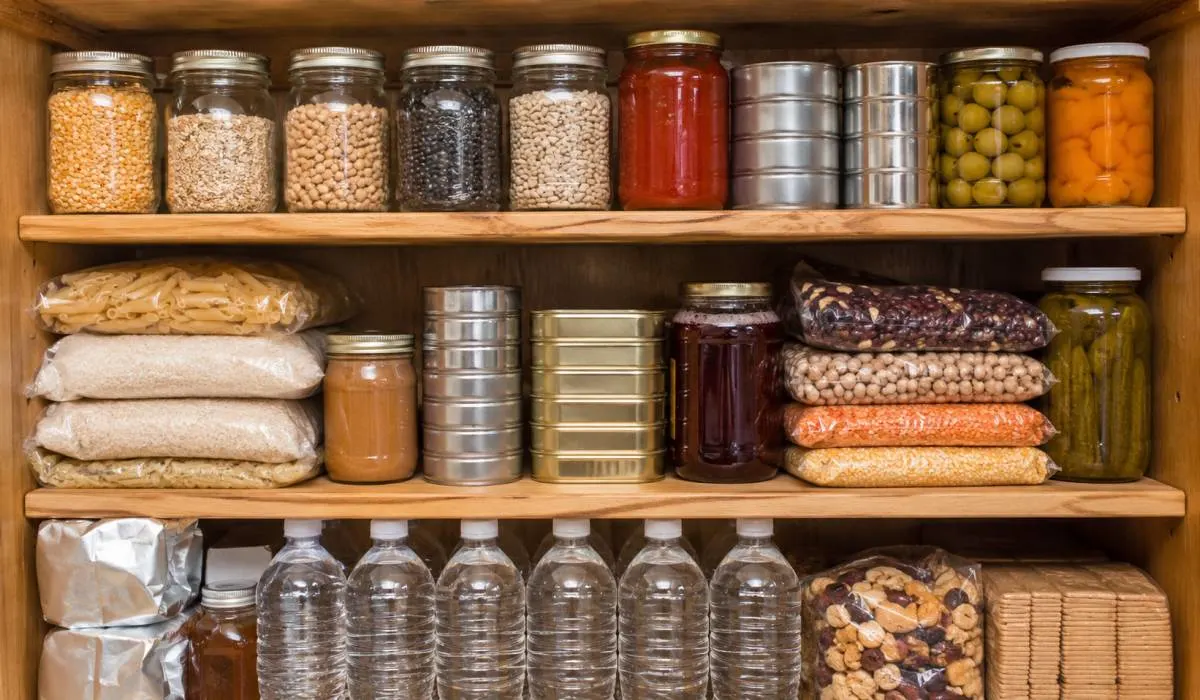
When disaster strikes, a well-stocked store cupboard can make all the difference, like really. Whether you are prepping for power outages, supply chain hiccups or even full-blown apocalypse scenarios, governments across the world often recommend stashing away at least three days’ worth of essentials, so you can eat well, keep your head steady and dodge the zombie hordes.
From long-lasting proteins to morale lifting little luxuries, these 21 store cupboard staples are practical, nourishing and adaptable, so in a real emergency they might be exactly what saves the day.
Store cupboard staples for emergency survival
A resilient survival cupboard should balance nutrition, energy, and morale-boosting foods. Key essentials include:
Comforting treats
During stretches of really high stress, it’s important to maintain morale, and honestly few things match the effectiveness of a sweet treat or a throwback nibble. Instant puddings, dark chocolate, hard candies, marshmallows, and corn kernels (for whipping up popcorn) all tend to keep for a while, relatively speaking.
You can use prepackaged pancake and cake mixes as a very solid option for those bunker birthdays too, as long as you’ve got a method to cook them. And don’t forget to add instant hot chocolate, coffee, and tea as well.
Read More: What Food Is Good for Acidity Relief? Top Picks and Worst Foods

Cooking oils
Whether it’s for sautéing vegetables or whipping up a salad dressing, cooks find oils essential in any kitchen cabinet, even when something goes wrong. Heat and light make oil go rancid, so you should keep it in dark glass or metal containers in a cool, dark cupboard and honestly buy a bunch of smaller bottles instead of a couple big ones.
That way, once you crack one open, you don’t waste it quickly. Vegetable oils such as canola and sunflower generally keep about one to two years when you still haven’t opened them, while oils with more saturated fats – like coconut oil and ghee – tend to last longer.
Fruit and veg seeds
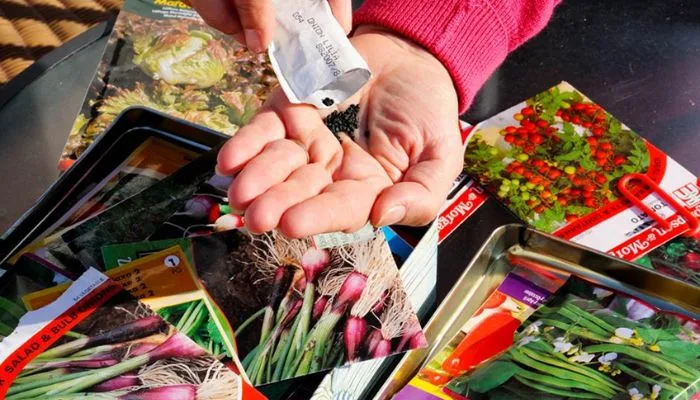
The Global Seed Vault in Norway keeps over 5,000 plant species, in order to secure the world future food supply or something close to that. You probably don’t need to go that far, but it might be a really nice idea to gather seeds you can actually use, to plant when and if the conditions look right, after any early danger has already passed.
Try setting aside a range of fruit and vegetable seeds, especially for the stuff that spoils fast, like lettuce. Don’t worry too much if you don’t have a garden, because lettuce is simple to grow in a window box, even in a small place. Or, if that feels tricky, check out indoor growing as another option.
Freeze-dried foods
Freeze dried foods are actually pretty great prepper products. Lyophilisation (like the technical term for freeze drying) takes away up to 98% of the water, so you can expect the food to last 25 years or longer. You can buy freeze dried meats, fruits, vegetables, candy, herbs and spices, or you can try making your own, if you’re into that sort of thing. Just make sure the vacuum seal stays unbroken and is kept away from light, heat, and moisture until it’s time to eat it.
The Freeze-Dried Guide website mentions that full on dishes like pastas, stir fries, chillies, and casseroles can be a solid move too for long term storage.
Honey
This superfood has B vitamins, minerals, plus amino acids and antioxidants, sort of together. The Mayo Clinic also states that it brings antibacterial, antioxidant, and anti-inflammatory benefits. But the real reason it’s like a perfect bunker staple is that it keeps forever, you know, exceptionally long shelf life.
Store it in a cool dry place, and raw honey can last indefinitely. In fact, archaeologists have even discovered unspoiled honey in old Egyptian tombs. Still, don’t be stubborn if you see mould, fizzy bubbles which may mean fermentation, or if it smells off.
You May Also Read: Delicious Non Vegetarian Food Recipes for Dinner
Powdered and UHT milk
Light and kind of compact, with a 12-to-24-month shelf life, powdered milk is a pretty perfect emergency essential, you know. It’s super versatile, nutritionally rich, packed with protein, calcium and Vitamins A, D, plus B12. Ultra-High Temperature (UHT) products are also a strong choice, especially if you’re looking at plant-based milk alternatives.
Those are shelf-stable so they need no refrigeration, and they often run six to 12 months or more, if they stay in a cool dry, dark place. Go for fortified options to squeeze in extra nutrients, and like with all rations, make sure to check the use by dates every few months.
Dried and dehydrated produce
Dried fruit brings a lot of energy, flavour, and useful nutrients; it’s also pretty adaptable, light in your bag, and it can keep for about six to 12 months if the conditions are right. At the same time, meat jerky, dehydrated soy, and textured vegetable protein provide handy protein options. Just remember to steer clear of items that have extra salt or added sugar, too.
FAQs
1. How much nourishment ought to I store for emergencies?
At slightest 3–7 days of non-perishable nourishment per individual is commonly recommended.
2. What nourishments final the longest in storage?
Honey, freeze-dried suppers, rice, dried beans, and canned products can final months to decades when put away properly.
3. Do I require extraordinary capacity conditions?
Yes. Cool, dim, and dry spaces essentially expand rack life for oils, grains, and got dried out foods.
4. Are consolation nourishments truly necessary?
Yes. Sugars, chocolate, and warm drinks offer assistance keep up resolve amid unpleasant situations.
5. Can I depend on seeds for survival?
Seeds are a long-term nourishment security alternative, particularly when combined with fundamental developing information or indoor planting setups.